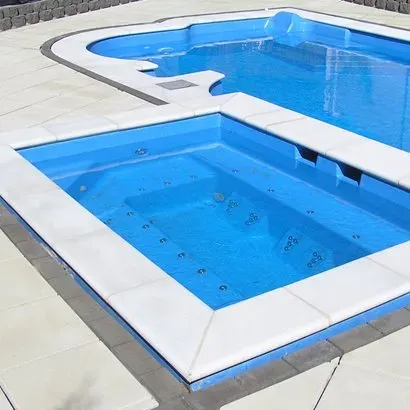
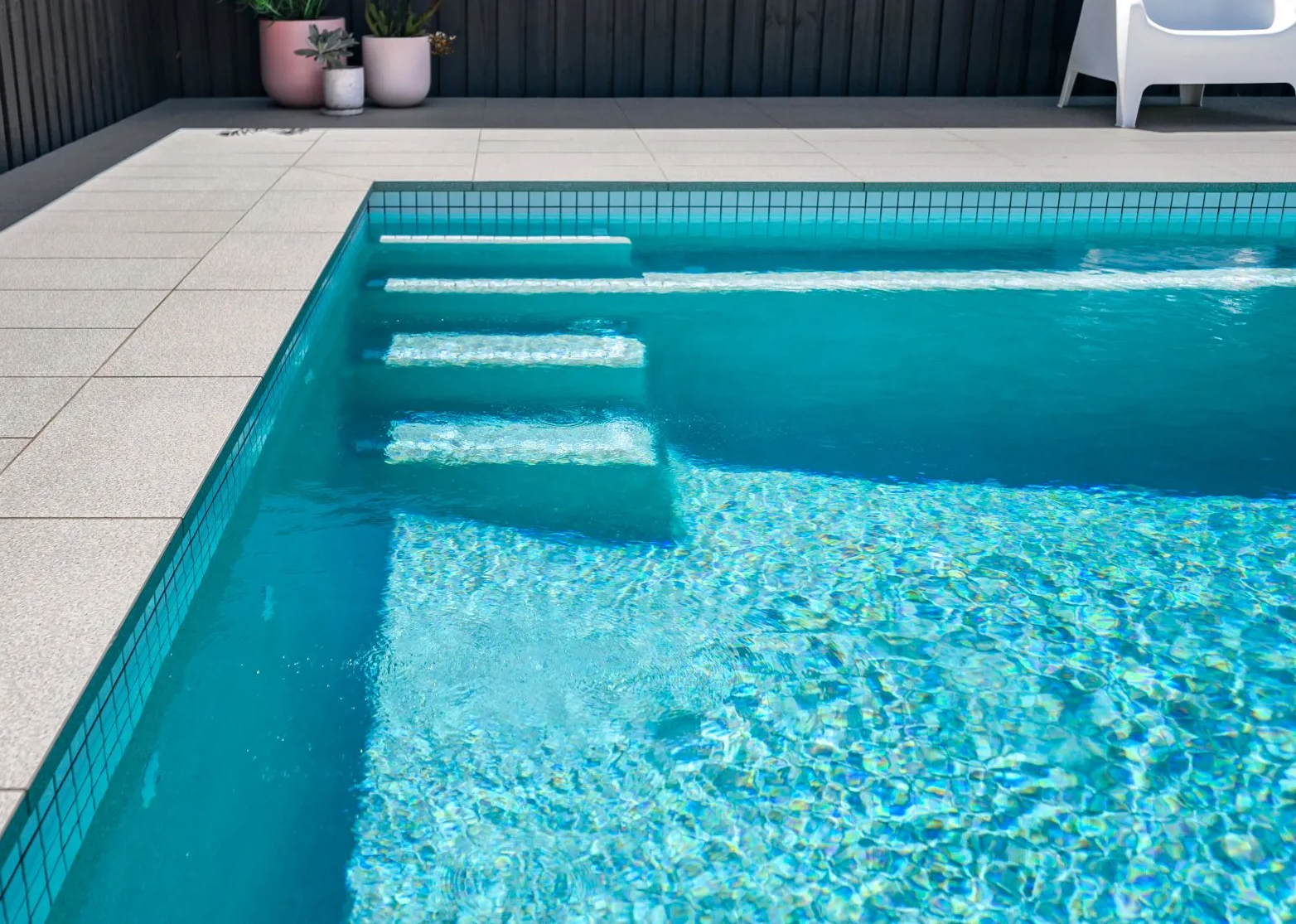
With overnight temps dropping to 3°C this week, now is the perfect time to plan your pool heating - before the build is done and retrofitting costs kick in.
Top Tips • Latest News • Offers • Competitions • Prizes • Giveaways and lots more!!!

Top Tips
Latest News
Offers
Competitions
Prizes
Giveaways
And lots more!!!
If you have been watching the temperature drop across Newcastle and the Hunter this week, you are not alone. Overnight lows sitting between three and eight degrees have a way of sharpening the mind when it comes to planning a new pool. Most homeowners spend a lot of energy choosing the right shape, finish, and features for their pool, which makes complete sense. But heating is one decision that often gets left too late, and that timing can cost you more than you might expect. Getting clear on your heating options now, while your build is still in progress, is one of the smartest moves you can make.
The Hunter Valley climate is genuinely well suited to year-round swimming, but only if your pool is set up for it. Summers here are warm and long, winters are mild compared to much of inland Australia, but they are still cool enough to make an unheated pool uncomfortable from around May through to September. The good news is that the region's high solar exposure makes certain heating systems perform exceptionally well here. Understanding which system suits your lifestyle, your budget, and your specific block will help you get the most out of your pool for years to come.
Check out our reviews!

Adam from Coastline helped us with our new pool. Great service & advice. Pool was planned, approved and built before my friends was even approved. Have referred them and will continue to do so
Christopher Bell
Our initial consultation with Adam was easy, informative and very flexible to suit our pool needs. The install was just as easy, the process was fully mapped out and broken down making it a seamless experience.
Browns
I have been using Coastline Pools for about 5 years now, probably 2 years after I put my pool in. Then, being new to what to do to maintain my pool the Coastline staff at Raymond Terrace have been fantastic.
Colin Butters
Adam gave me great confidence around tricky elements that other companies couldn't get past. They know what they are doing and deliver a high quality pool. Definitely a company to install your new pool!
Nomy Lou Halifax
It's clear they take pride in their work, and I wouldn't hesitate to recommend them to anyone looking for top-notch service. Thanks again to the entire team at Coastline Pools!
Scott Curran


There are three main heating options available to Australian homeowners, and each has its strengths depending on how you use your pool and what you are willing to spend to run it.
Solar heating is the most popular choice for good reason. It uses roof-mounted collectors to capture the sun's energy and circulate warm water back into the pool. In the Hunter, where sunny days are plentiful even in winter, a well-designed solar system can extend your swimming season significantly. Running costs are very low once installed, often just the electricity to run the pump. The trade-off is that performance depends on available sunlight, so it works best as your primary system when you are flexible about swim times, or paired with a backup option for cloudy stretches.
Heat pumps are the most versatile option for consistent water temperature. They work similarly to a reverse-cycle air conditioner, drawing warmth from the surrounding air and transferring it to the pool water. Modern heat pumps are highly efficient, with a good unit producing around five units of heat for every one unit of electricity consumed. Running costs sit between solar and gas, and they perform reliably even on cooler days, making them a strong all-season choice for families who want the pool ready whenever they feel like a swim.
Gas heating, whether natural gas or LPG, heats pool water the fastest of all three options. It is the go-to choice if you want precise temperature control or if you use your pool intermittently and need it up to temperature quickly. Running costs are higher than solar or heat pump, and with energy prices where they are, this is worth factoring into your long-term budget. That said, for spa heating or for homeowners in areas with limited roof space or solar access, gas remains a very practical solution.
The reason timing matters so much is straightforward. When your pool is being built, running the necessary pipes, conduits, and electrical connections is a relatively simple part of the overall job. Your builder has the ground open, the equipment area is being set up, and adding infrastructure for heating adds minimal cost at this stage. If you decide to add heating after the pool is complete, you are looking at additional excavation, potential disruption to landscaping, and a separate installation process that can add thousands of dollars compared to doing it during the build. Locking in your heating choice now is genuinely one of the most cost-effective decisions in the whole project.
What To Do Next
If you are currently in the planning or build phase of your pool, the conversation about heating should happen now, not later. Here is a practical way to work through it.
Start by thinking about how you actually plan to use the pool. If your family swims regularly throughout the year and you want a consistent temperature without thinking about it, a heat pump is likely your best fit. If you are a warmer-months swimmer who wants to stretch the season a little without significant running costs, solar heating will serve you well in the Hunter's climate. If you entertain often and want the pool or spa at temperature quickly regardless of the weather, gas heating, or a combination of gas and solar, is worth considering.
Next, look at your roof. Solar heating requires adequate north-facing roof space with good sun access. If your home has limited roof availability, or if a large portion is shaded, that narrows the solar option or requires careful system sizing. Your Coastline Pools consultant can assess this as part of your build planning.
Consider your energy setup too. If you have solar panels on your roof already, or plan to install them, a heat pump running during daylight hours can be an extremely cost-effective combination. Your electricity effectively becomes free to run the system, making heat pump costs competitive with solar heating over time.
Finally, ask about future-proofing. Having conduit and wiring installed during the build for a heat pump or gas connection, even if you do not add the heater immediately, keeps your options open at a fraction of the cost of retrofitting later.
At Coastline Pools, we work through these decisions with every client as a standard part of the build process. We know the Hunter climate, we know what works on local blocks, and we will give you honest guidance based on your situation rather than a one-size-fits-all recommendation.
If you are building a pool or planning to start soon, reach out to our team and let us help you make sure heating is part of the conversation from day one. A warm pool waiting for you in July is a very good reason not to leave it until later.
Join us to find out more!
Contact Us
We will get back to you as soon as possible.
Please try again later.
Find all the latest news and offers from the Coastline Family!